
Taking your yacht out once a month for at least an hour cruise is a great way to extend the life of your vessel’s engine, gear, and generator. On this page we’re going to get into some reasons of why running your yacht under a load at least once a month is highly recommended.
How Often Should I Run My Yacht?
Moisture Absorption
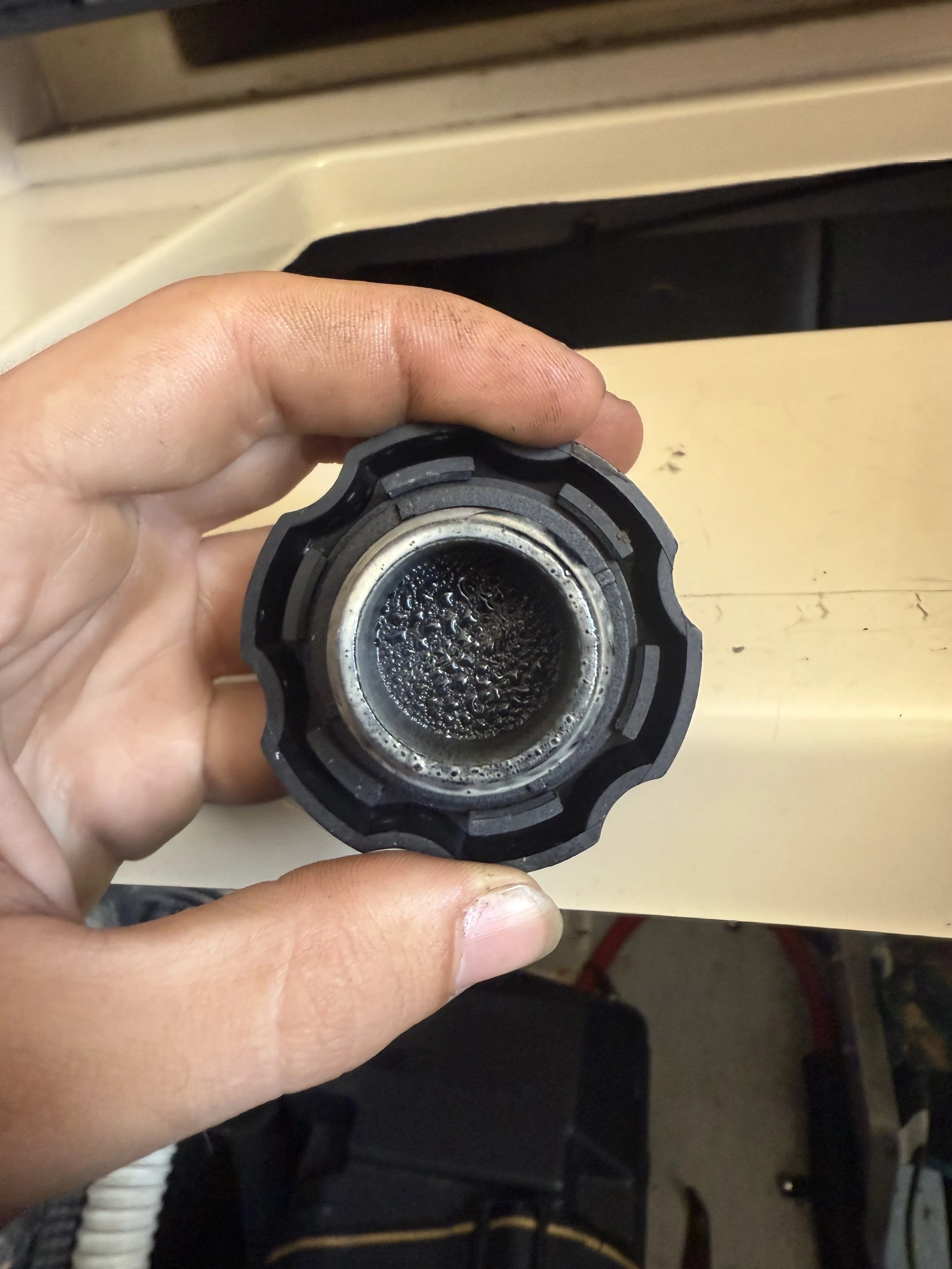
When your engine, and generator sit they absorb moisture into the oil which reduces lubricity and increases friction. By running your equipment often you’re relubricating dried internals as well as burning the moisture out of the oil before it becomes excessive. Running the engines and generators often also keeps their cylinder walls, cam shafts, crankshafts, and other important components well lubricated, and at less risk of premature wear caused by moisture. It is important that your engine or generator is ran at it’s operating temperature in order to burn the moisture off.
If your oil has absorbed moisture, it can appear on the oil cap as shown in this photo. The “dew” effect seen on the oil cap is from moisture trying to leave the oil after the engine has been ran for a short period of time. However you won’t fully get rid of that moisture unless the engines oil get’s hot enough to burn the moisture off. The oil cap in the photo is from Mercruiser 6.2l Horizon.
Oil Thickening
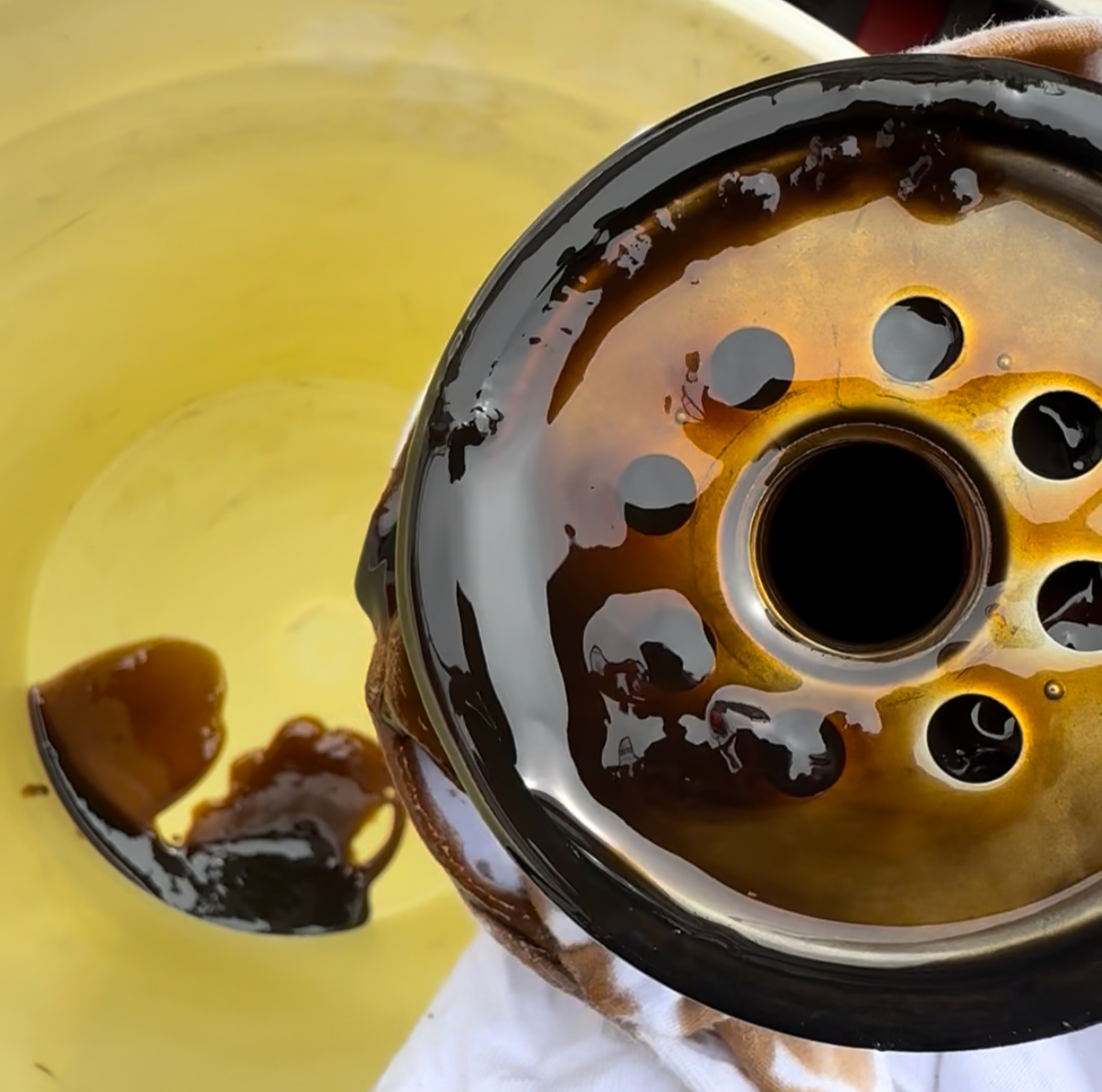
Oil that sits in place and isn’t moved around can degrade into a kind of clumpy thick oil which is not something you want running through the small oil galley’s and tiny orifice’s in your engine, gear, or generator. This will cause reduced lubrication which will create more heat on the internals of your equipment ultimately wearing them down prematurely. It can cause oil pressure to drop which can rapidly lead to catastrophic failure. By running your yachts equipment often, you’re heating up that oil, keeping it moving, and helping it maintain it’s lubricity and it’s viscosity.
This photo is of an oil filter that had super thick, clumpy, and degraded oil in it. The engine it came off of was a Crusader 270 which was barely ever used, but had the same oil in it for years. Something to keep in mind when buying a yacht is that consistent equipment service history is far more valuable than just finding a yacht with equipment that has low hours. Low hours does not substitute quality of care!!!
Dried Seals
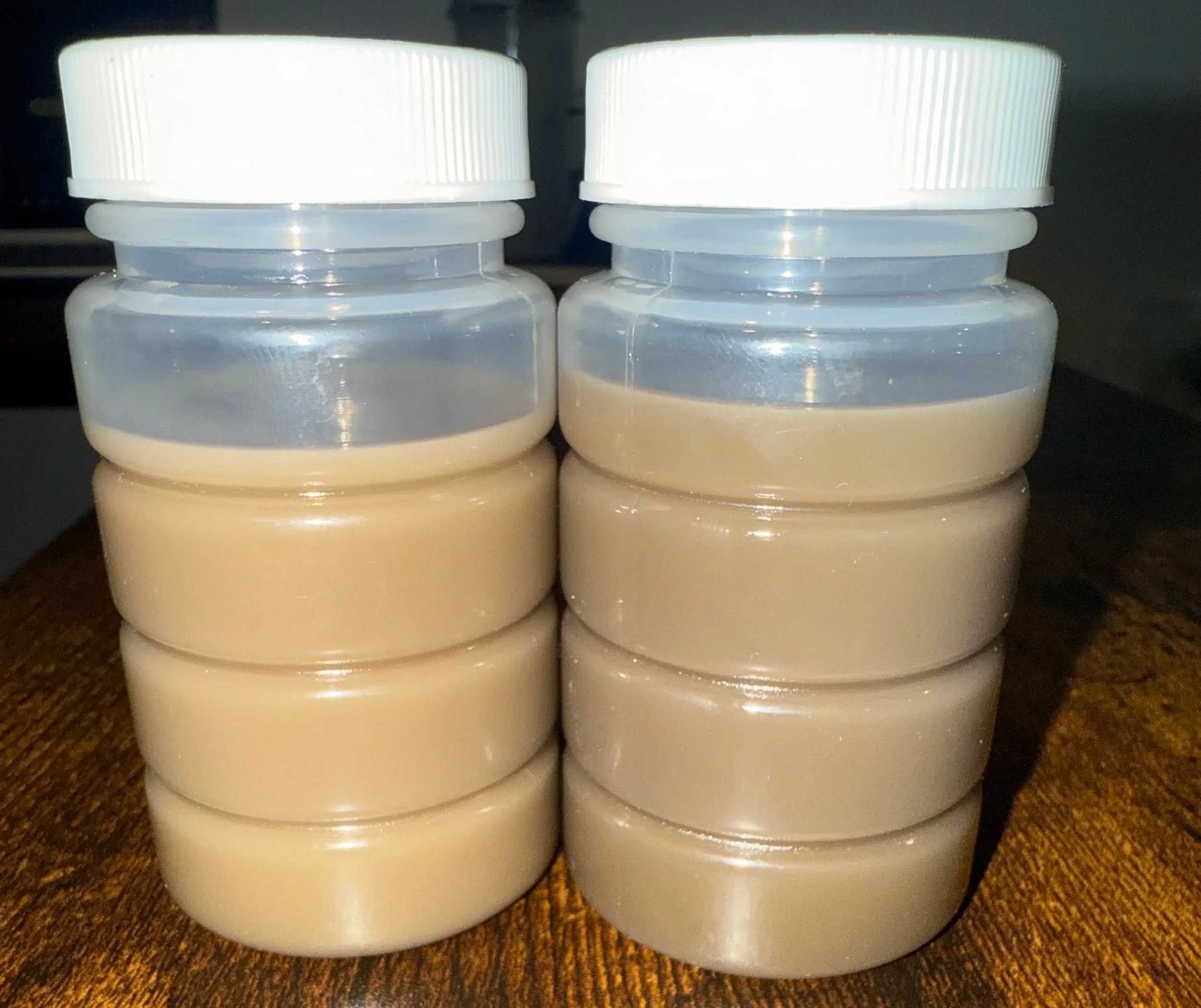
Your engine, gear, and generator have seals all over the place that keep fluids from leaking out of them. These seals will dry out if they are not heated up, and/or don’t have fluids circulating against them. If they dry out they can crack or lose there flexibility and won’t be able to seal properly. This usually won’t lead to serious abrupt damage, but will often create a messy engine compartment and an expensive repair bill. By running your yachts equipment often your heating those seals up which will make them flex. This essentially is exercising the seal preventing it from premature wear, and cracking which causes leaks.
The two bottles in the photo are oil samples from Volvo Penta IPS Drives with only 200 hours on them!!! Both had severe salt water contamination, which can be caused from not using them enough. In return this allows the seals to become dried out and water begins to seep in.
Salt Water Buildup
When you shut your engine or generator off there is salt water that remains in the cooling system. Just think about leaving any kind of metal in salt water for an extended period of time. That salt water often will sit in the bottom half of the coolers, and if it sits long enough the bottom halves of each cooler will develop significantly more corrosion then the top. This will eventually cause your coolers to work at only half the cooling ability they had before. This will lead to over heating which can lead to very expensive damage. By running your yachts equipment often you’re circulating the sea water in the coolers which prevents excessive build up. Which will keep your yachts equipment cooler, and lasting longer.
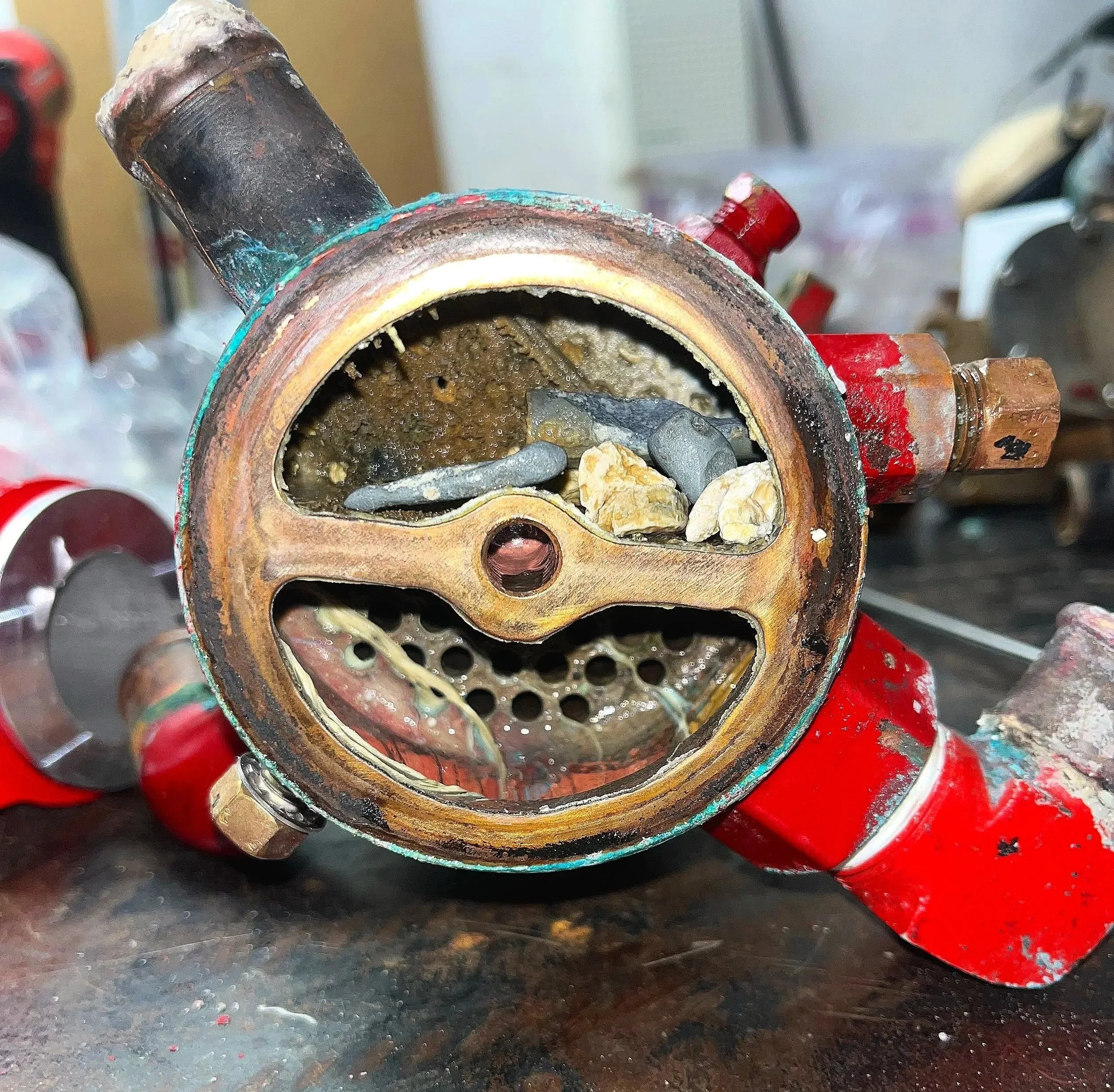
Below is a heat exchanger that clearly has experienced major build up on one half of it’s core. Ignore the build up of broken anodes and look at how clogged each hole is that sea water is supposed to pass through. That side of the heat exchanger is actually the bottom half , and this heavy one sided build up occurs when sea water isn’t flowing often enough.
Why Should My Yacht Be Put Under A Load?
Following up on the four reasons listed above on why it’s important to run your yacht’s equipment often. Let’s quickly dive into the importance of your engine, gear, and generator being under a load. I find it useful to bring in the analogy of the result a person get’s when they exercise thoroughly and often. Good thorough exercise for a human statistically results in a healthier more active life, and often we could say an extended life. We would say that this is exactly the same case for engines, transmissions, and generators in your yacht. They need thorough exercise and not just a walk on the treadmill for 30 minutes, which we’d say is the equivalent to just popping your yacht in gear and letting it warm up at idle in the slip. People that exercise often and thoroughly are more mobile and have more endurance then people that don’t. The engines we see with the most hours on them, and that have lasted the longest are always commercial vessels. This is because they are used more often, and the equipment is always being put under a load. The engines, transmissions, and generators in a commercial vessel are conditioned to last, because they are exercised often and thoroughly. Now of course the the majority of yacht owners can’t or don’t want to take their yacht out everyday like it’s a commercial vessel. This is why we recommend at the minimum to at least bring your yacht to cruising speed once a month.